





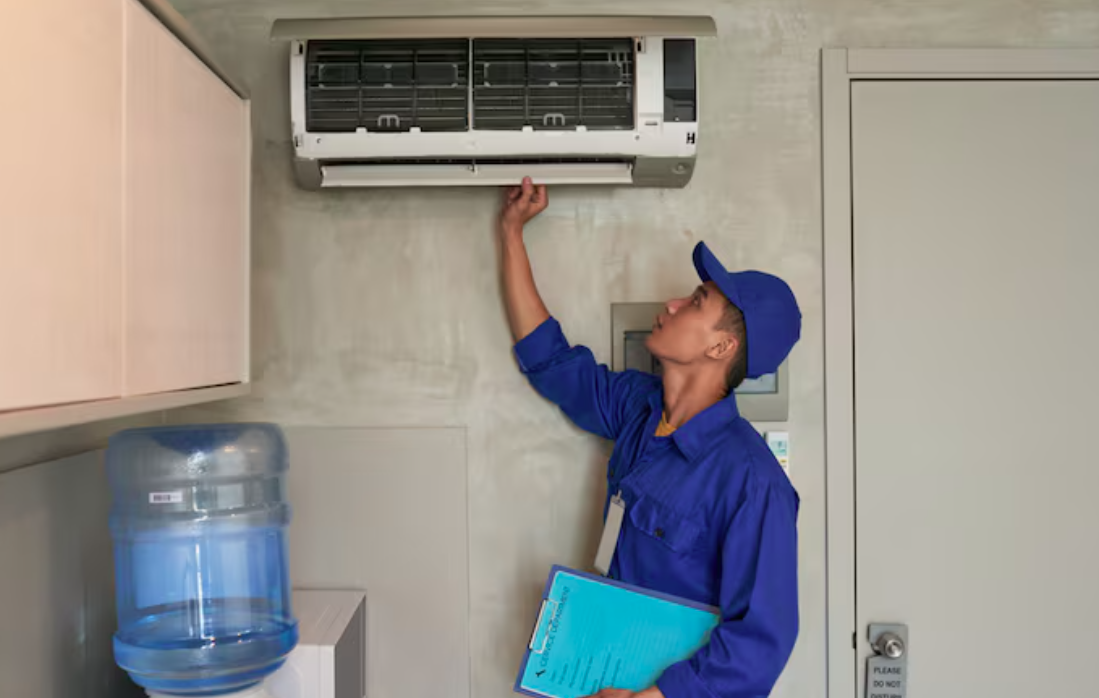
Expert Tips for Maintaining Your Residential Air Conditioning System
A residential air conditioning system is a significant investment that directly impacts the comfort and air quality of your home. During the hottest months of the year, your unit works tirelessly to keep indoor temperatures manageable.
However, without regular care, even the most robust systems can suffer from efficiency losses, increased energy consumption, or premature mechanical failure.
By adopting a proactive maintenance routine, you can ensure that your cooling system operates reliably, reduces your monthly utility bills, and provides consistent comfort for your family throughout the entire season. Follow these essential tips to keep your air conditioning system in peak condition.
Proactive Strategies for Timely Residential AC Repair
Preventive care is always preferable to emergency fixes, but you must be prepared to handle issues when they arise. If you notice strange noises, reduced airflow, or unusual odors, these are often indicators that you require professional residential AC repair.
Addressing these warning signs immediately can prevent a minor component issue from cascading into a complete system failure. Always choose a licensed technician who possesses the experience to diagnose electrical or refrigerant-related problems safely.
Quick intervention not only saves you money on expensive parts replacements but also extends the operational lifespan of your primary cooling unit.
The Importance of Consistent AC Maintenance for Efficiency
Regular AC maintenance is the most effective way to optimize your system’s performance and energy efficiency. This process should include inspecting the internal coils, clearing drain lines, and testing electrical connections.
When you schedule professional check-ups twice a year—ideally before the start of the summer and winter seasons—you allow experts to identify potential wear and tear before it results in a system shutdown.
This systematic approach ensures that your unit operates with minimal strain, which translates to cooler air delivery and a significantly reduced carbon footprint for your entire household.
Cleaning and Replacing Air Filters Regularly
The air filter is the first line of defense for both your system and your indoor air quality. Dust, pet dander, and pollen accumulate quickly, obstructing the airflow and forcing the motor to work significantly harder than necessary.
Check your filters every month during periods of heavy use and replace them as soon as they appear dirty.
A clean filter ensures that your system circulates fresh air throughout the home, protecting the evaporator coils from becoming coated in debris, which is a common cause of cooling inefficiency and freezing issues.
Clearing Debris Around the Outdoor Condenser Unit
The outdoor unit, or condenser, requires adequate space to breathe and exchange heat efficiently. Frequently inspect the area around the unit to ensure that grass clippings, fallen leaves, and overgrown shrubs are not blocking the airflow.
Maintaining a clearance of at least two feet around all sides of the unit is recommended. If the unit is cluttered with debris, the heat cannot dissipate properly, which causes the system to run hotter and leads to excessive wear on the compressor, ultimately damaging your cooling capability.
Monitoring Thermostat Settings and Performance
Your thermostat is the brain of your cooling system. If you are still using an older manual model, consider upgrading to a programmable or smart thermostat. These devices allow you to set schedules that reduce cooling when you are away, preventing the unit from running unnecessarily.
Additionally, keep your thermostat away from heat sources like lamps or direct sunlight to ensure accurate temperature readings. Proper calibration ensures the system cycles correctly, providing consistent comfort without wasting energy.