


Essential Factors to Consider When Planning for a Water Heater Installation
Choosing the right system to supply hot water to your home is a major decision that impacts your daily comfort and energy expenses. Whether you are replacing an aging unit or setting up a system for a new property, the process requires careful planning to ensure long-term efficiency and reliability.
A successful water heater installation involves evaluating your household needs, understanding the available technology, and ensuring that the final setup adheres to safety and structural requirements for your specific living space.
Determining the Correct Capacity and Household Demand
The most critical step in the planning phase is calculating your household’s actual hot water demand. You must consider the number of occupants, the frequency of simultaneous showers, and the use of appliances like dishwashers and laundry machines.
Installing a unit that is too small will result in constant shortages, while an oversized model can lead to unnecessary energy waste and higher utility bills. An accurate assessment of your peak usage hours ensures that your chosen equipment consistently meets your needs without straining the system.
Selecting Between Traditional Tank and Tankless Systems
Modern technology offers two primary paths for your project. Traditional tank systems are common due to their lower upfront costs and simpler maintenance, holding a reserve of heated water ready for use at any time.
Conversely, tankless models provide water on demand, offering significantly higher energy efficiency and a space-saving footprint.
When finalizing your water heater installation, weigh the initial investment against the long-term energy savings and the space constraints of your utility area to determine which type of technology best aligns with your long-term goals.
Evaluating Energy Efficiency and Fuel Sources
Your choice of fuel—whether electric, natural gas, propane, or solar—will dictate both your installation requirements and your monthly operating costs.
Electric units are often easier to install but may be more expensive to run, whereas gas units can provide faster recovery times but require proper ventilation and gas line connections.
Always look for energy-star rated models, as these high-efficiency units are designed to minimize heat loss and reduce fuel consumption. Integrating energy-efficient options during your water heater installation helps you maximize performance while keeping your environmental footprint in check.
Assessing Space Requirements and Location Logistics
Where you place your new equipment significantly impacts its accessibility and performance. You must verify that your chosen location provides sufficient clearance for maintenance, proper ventilation for combustion units, and proximity to your plumbing infrastructure.
Installing a unit far from your bathrooms or kitchen can result in significant heat loss as water travels through long pipes. By choosing a central, easily accessible location for your water heater installation, you reduce the time it takes for hot water to reach your fixtures and simplify future inspections.
Ensuring Safety Compliance and Professional Licensing
Safety must be the highest priority when dealing with gas lines, electrical wiring, and high-pressure water systems. It is essential to verify that the equipment meets all local building codes and safety regulations.
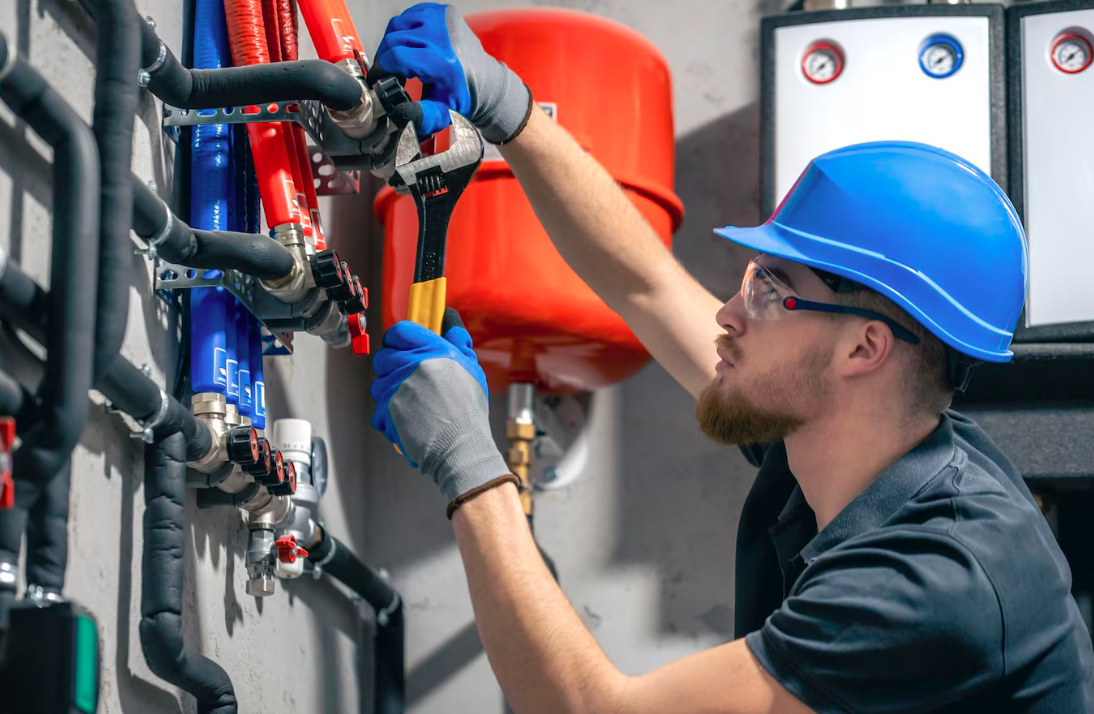
Hiring a licensed professional is non-negotiable, as they possess the training to correctly handle the installation of relief valves, expansion tanks, and venting systems.
A professional ensures that your setup is compliant and secure, protecting your home from the risks of leaks, carbon monoxide, or electrical failures.